
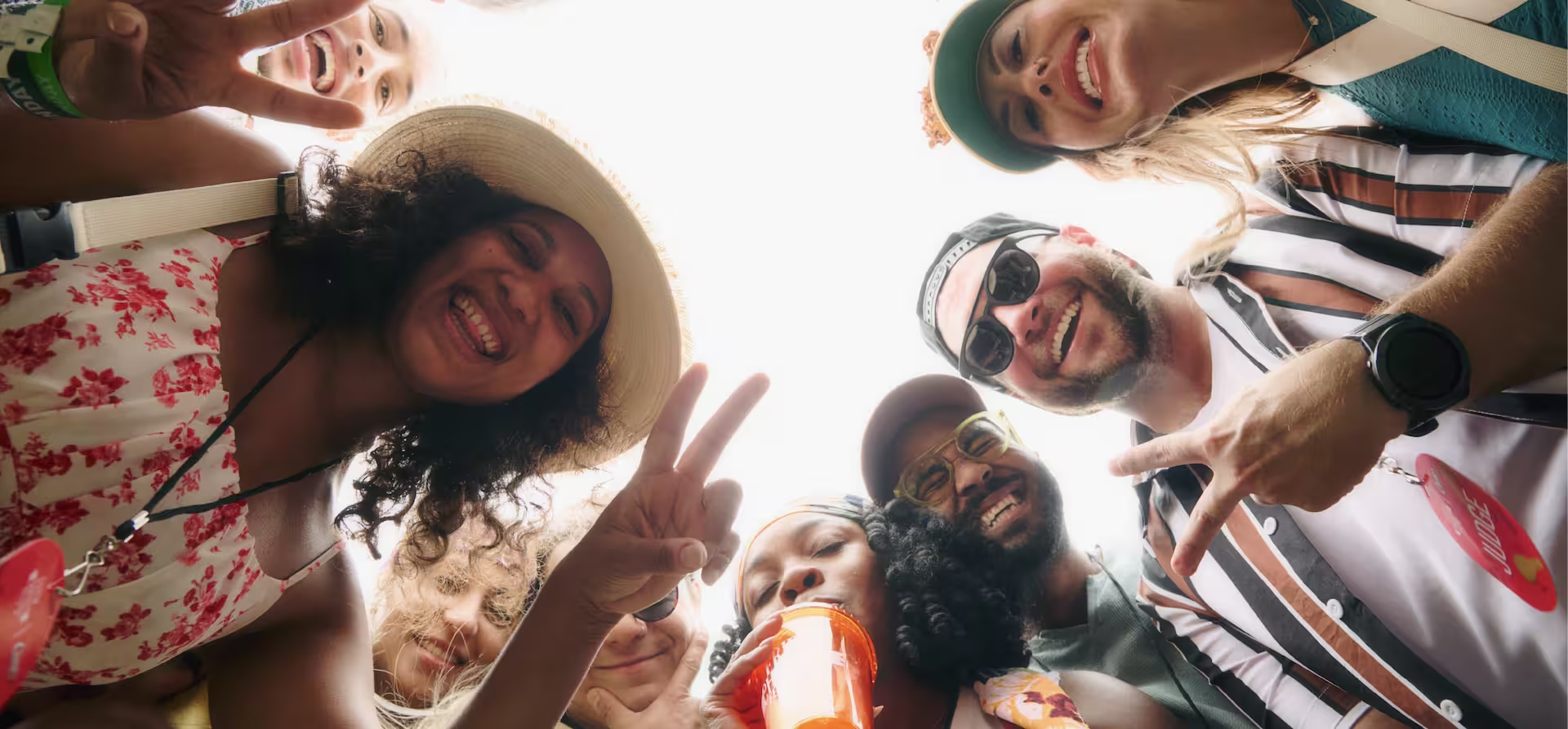
2026 Marketing Trends That Matter: Building Community Through Human-Centered Experiences
Consumers want brands that understand them, reflect their values, and show up in meaningful ways.
As brands head into 2026, marketing is entering a new era, one defined less by automation and optimization and more by connection, community, and cultural relevance. After last year’s influx of algorithm-driven content and AI-generated messaging, audiences are now seeking experiences that feel real, personal, and rooted in human connection.
Digital fatigue is no longer a buzzword; it’s a reality. Consumers want brands that understand them, reflect their values, and show up in meaningful ways. The brands that will win in 2026 aren’t chasing attention. They’re building belonging. And that’s something we do second to none at Spears Group–both for our in-house event products and for our clients.
From audiences to communities
One of the clearest marketing trends for 2026 is the shift from audience growth to community-led growth. Instead of focusing on reach alone, brands are investing in smaller, more engaged groups where people feel emotionally connected not just to the brand, but to each other.
This shift is driven by authenticity. Consumers are gravitating toward storytelling that feels lived-in and honest rather than overly polished or manufactured. Transparency, empathy, and cultural awareness matter more than ever.
For brands, this means participation over promotion. Showing up consistently. Listening before speaking. And creating spaces both physical and experiential where people feel seen.
Why experiential marketing matters more than ever
As digital content becomes increasingly saturated, experiential and in-person marketing is emerging as one of the most powerful tools for building trust and loyalty in 2026. Live experiences cut through the noise by offering what screens can’t–presence, emotion, and shared memory.
From festivals and summits to panels and community gatherings, experiential marketing allows brands to move beyond messaging and into meaningful engagement–and our unique ability to ideate and execute in this arena not only sets us apart from your average marketing agency or advertising firm; it places us in a category of our own.
With production, marketing, and creative capabilities all under one roof, we’ve been at the forefront of human-centered experiences for over a decade.

Human-centered marketing is not just about telling stories; it’s about designing experiences people can physically engage with.”
50
Productions
8
Major Cities
2M
Guests
Across productions in major cities nationwide, our work spans large-scale festivals and intimate community activations, all rooted in one core idea: bringing people together.

Reframing narratives through community-led storytelling
A powerful example of human-centered marketing is our work with Sankofa Community Development Corporation during the 20th Anniversary of Hurricane Katrina.
Rather than repeating narratives of loss and devastation, we partnered with Sankofa to reframe the story of the Lower Ninth Ward through the lens of resilience, leadership, and progress. Grounded in deep research and community listening, our strategy centered on local voices, particularly founder Rashida Ferdinand, as authoritative leaders shaping their own future.
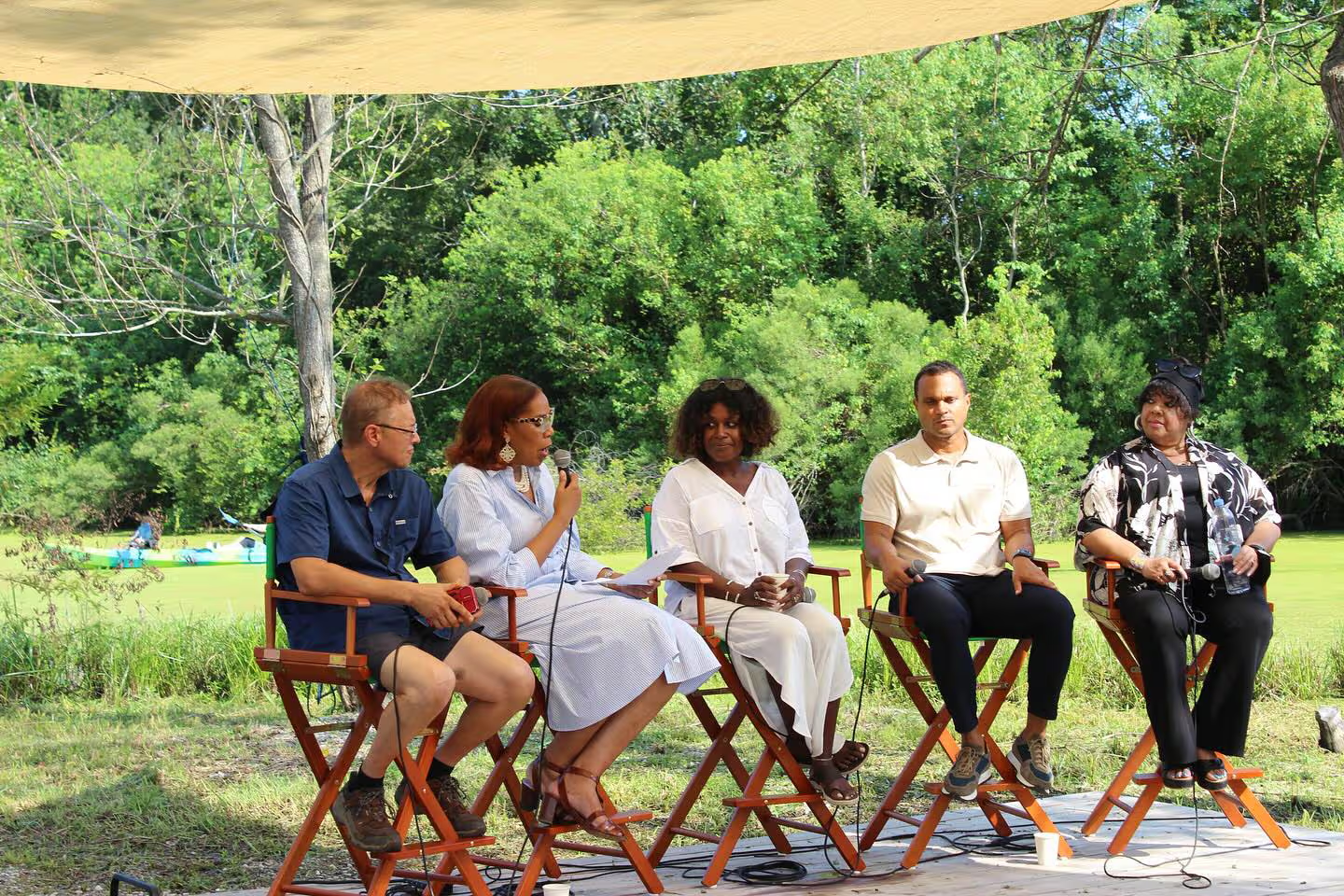
Through an integrated campaign spanning national media, influencer engagement, and a community-led commemoration and panel at Sankofa’s Wetland Park, we helped shift the national conversation, driving record-breaking engagement and reframing the story around empowerment.
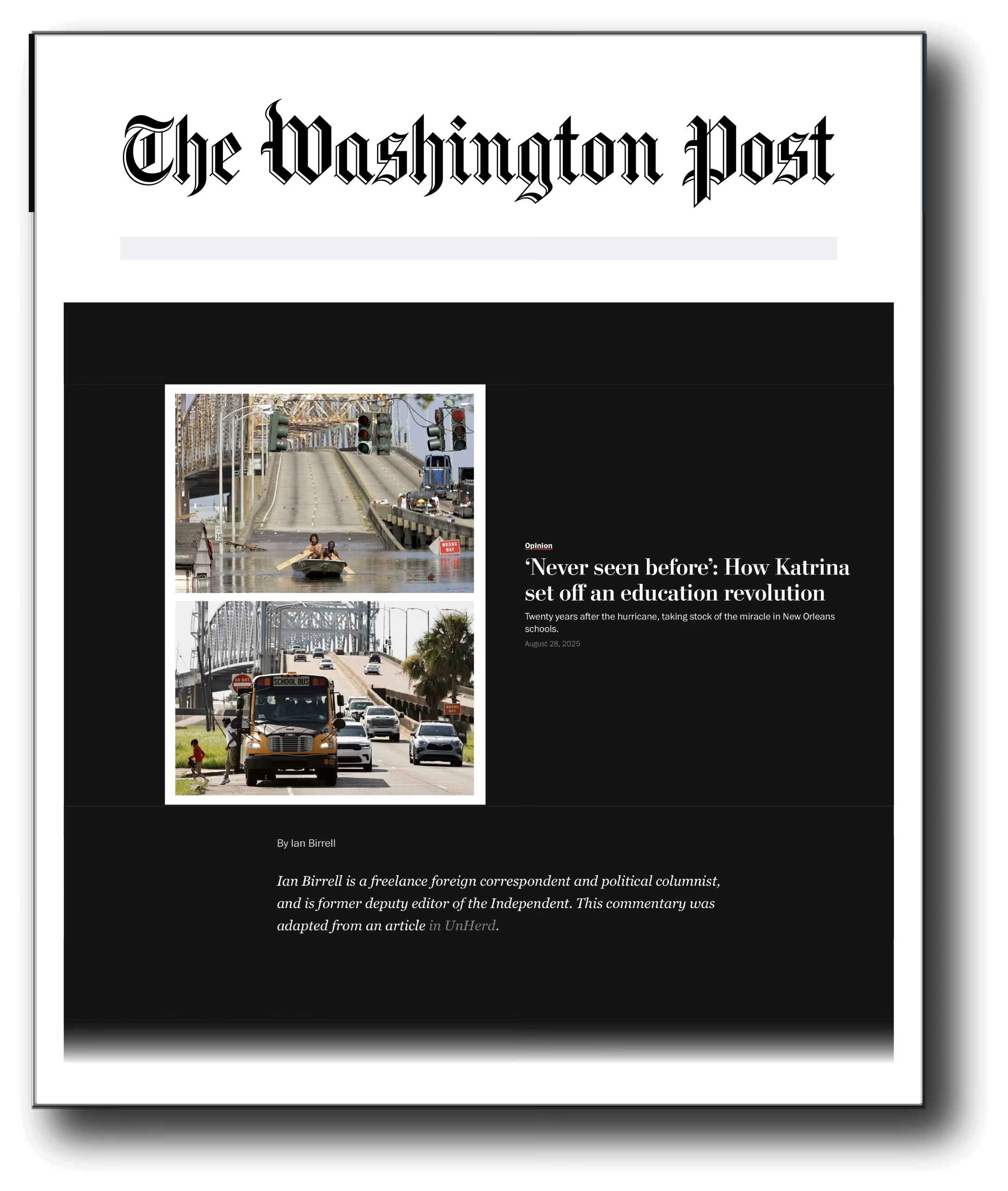
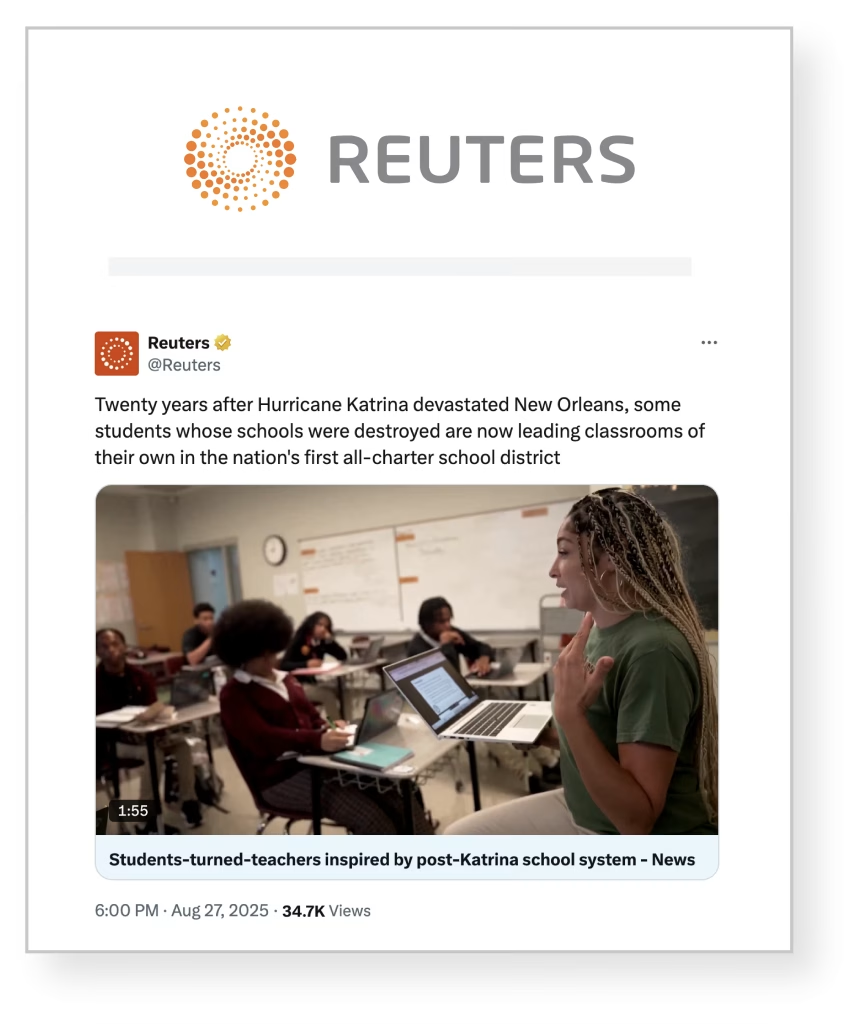
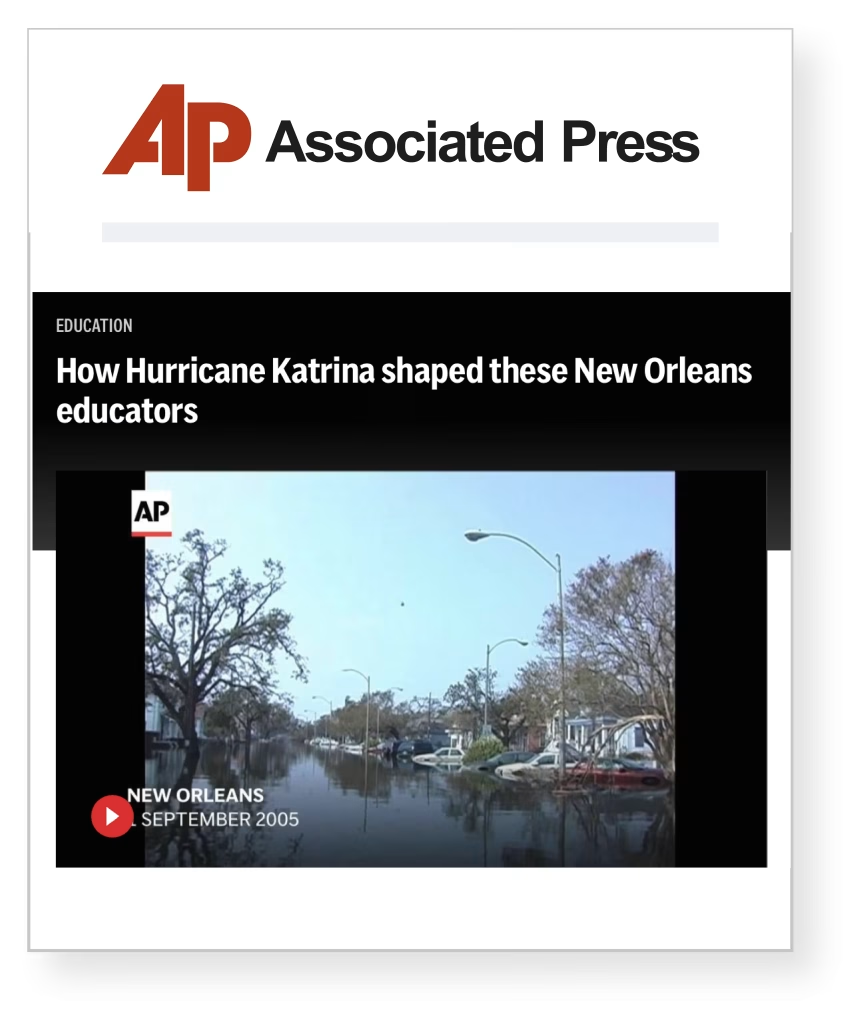
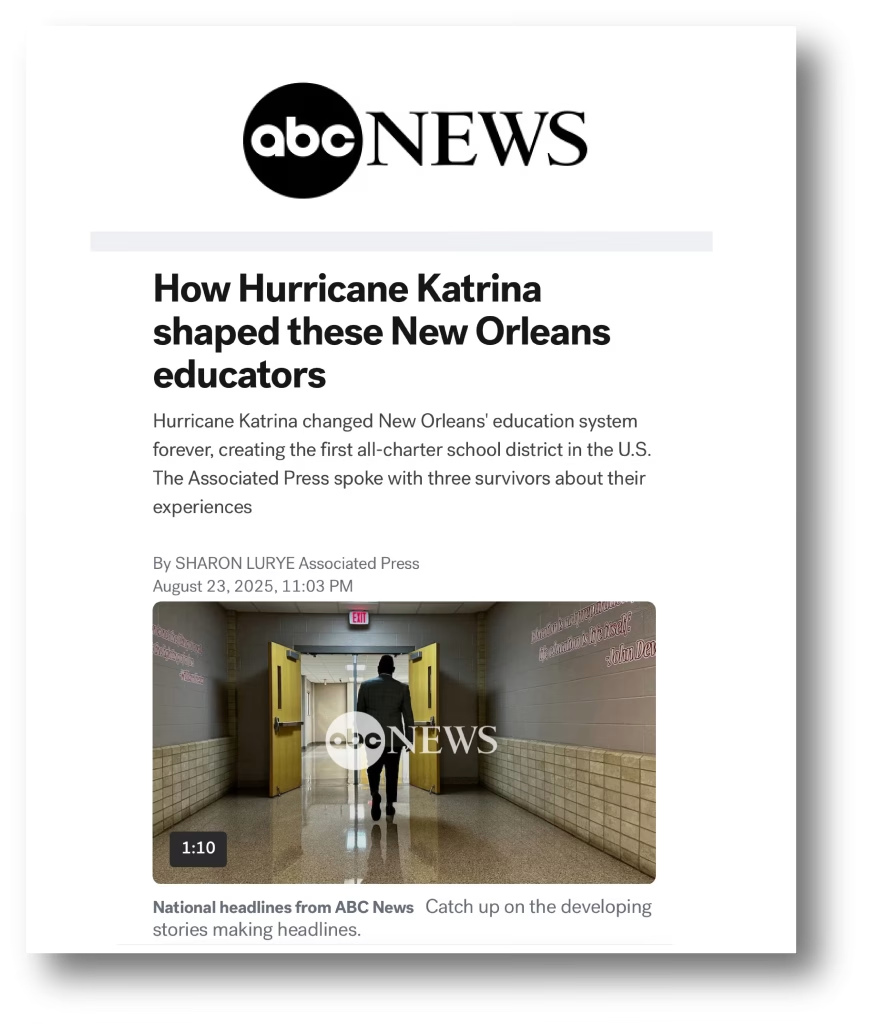
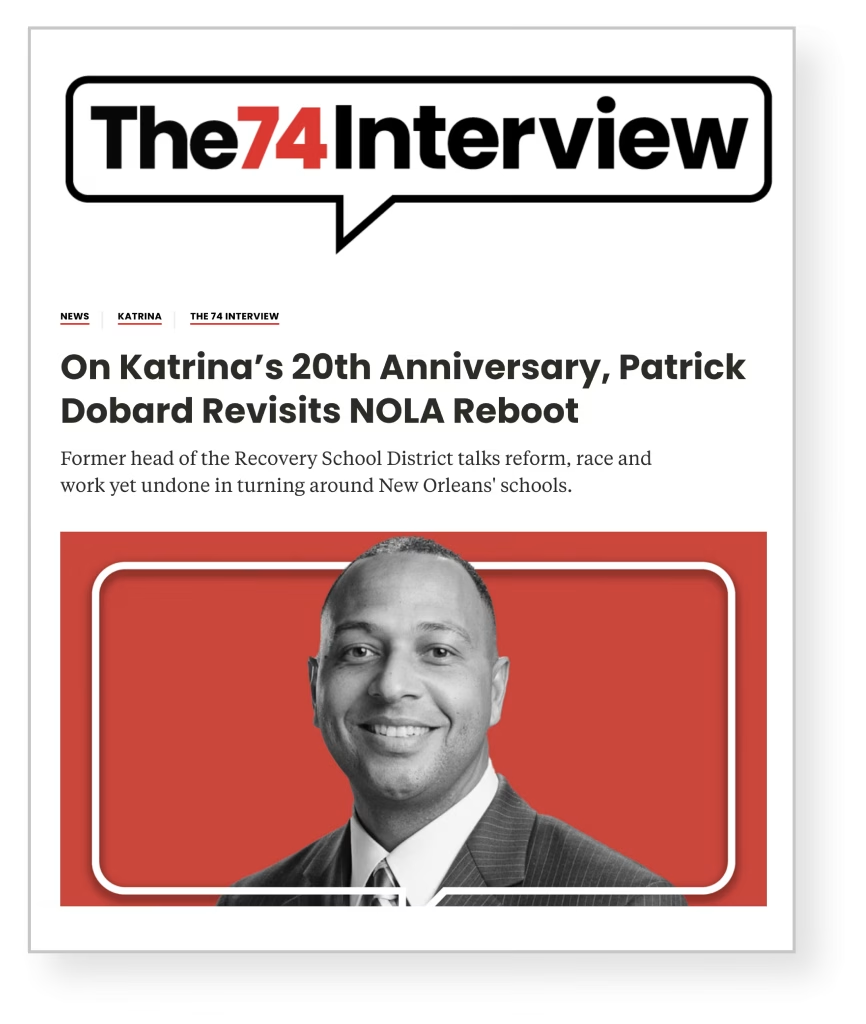
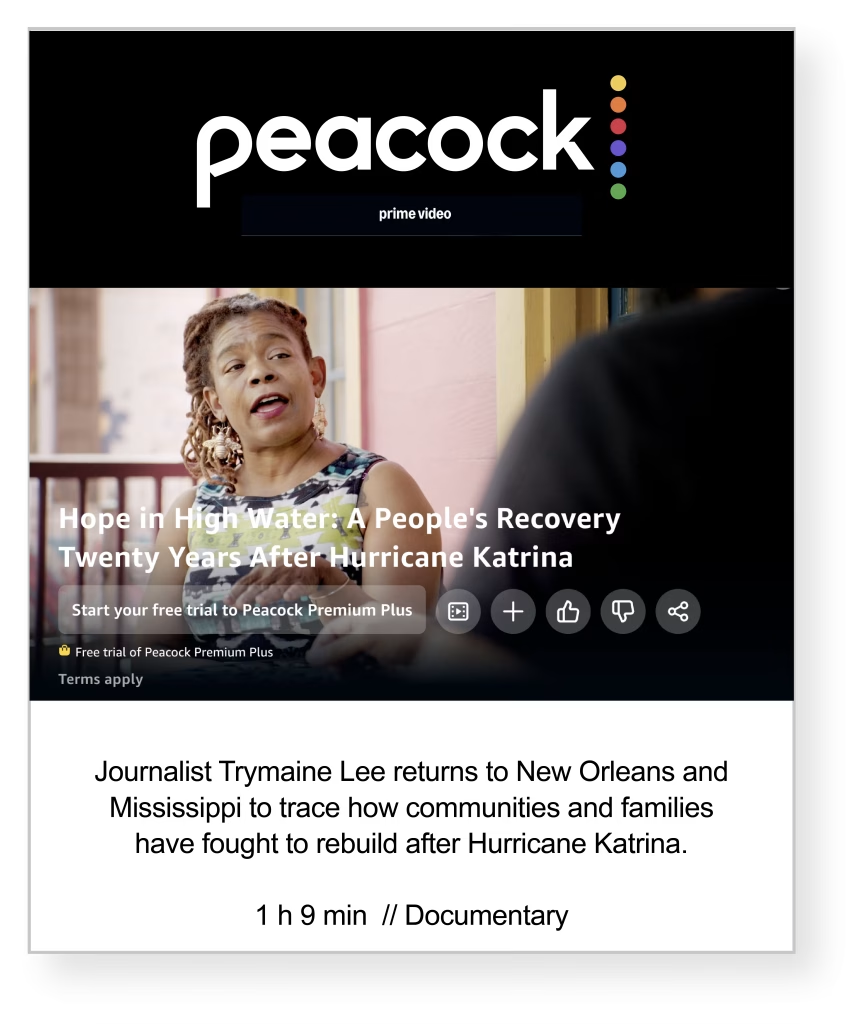
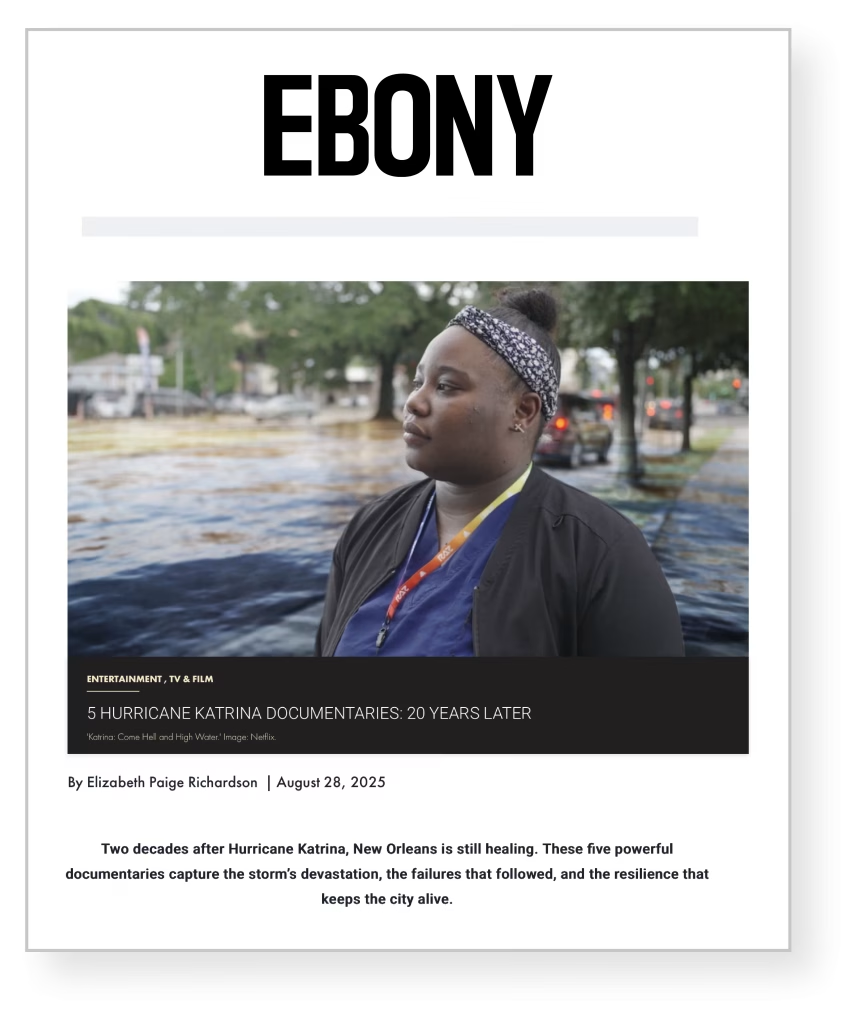
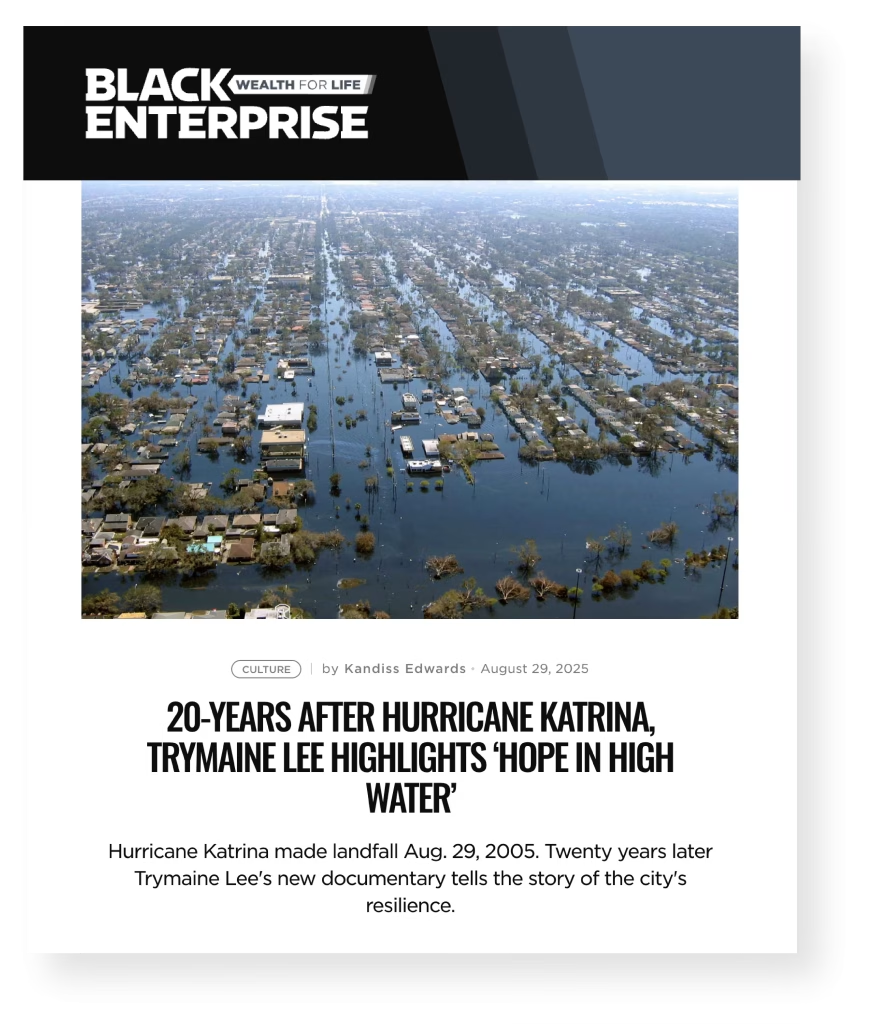
The result was Sankofa’s highest level of national and international visibility to date, positioning the organization as a model for community-driven development. More importantly, the work reinforced a key truth for 2026 marketing: authentic stories resonate when communities lead them.

Designing experiences with the audience, not for them
Another defining trend for 2026 is empathy-driven strategy- particularly when engaging younger audiences. Our work on FutureFest NOLA, produced on behalf of I Am New Orleans and supported by the W.K. Kellogg Foundation, exemplifies this approach.
FutureFest NOLA was designed alongside a youth advisory board, ensuring the summit reflected real needs rather than assumptions. The result was a first-of-its-kind youth experience that blended education, culture, and action, bringing together more than 500 students for programming focused on mental health, financial literacy, entrepreneurship, activism, and career exploration.
By centering youth voices in the planning process and creating a festival-style environment with performances, workshops, and a robust resource hall, FutureFest NOLA became more than an event; it became a platform for empowerment. The impact extended beyond the day itself, driving significant growth in web traffic, newsletter subscribers, and community engagement.
In 2026, this co-creation approach over consumption will define successful brand experiences.
Transforming education data into a human-centered brand experience
For the 20th Anniversary of Hurricane Katrina, Spears Group partnered with New Schools for New Orleans (NSNO) to position public education at the center of the K20 conversation through a bold, experiential brand activation.
Human-centered marketing is not just about telling stories; it’s about designing experiences people can physically engage with. For the 20th Anniversary of Hurricane Katrina, Spears Group partnered with New Schools for New Orleans (NSNO) to position public education at the center of the K20 conversation through a bold, experiential brand activation.
Instead of relying on traditional reports or digital-only storytelling, our team created the K20 Public Education Installation.
An 8ft tall, 16ft wide, five-panel interactive exhibit that transformed 20 years of education data into a walk-through, human-centered experience.
VIew Casestudy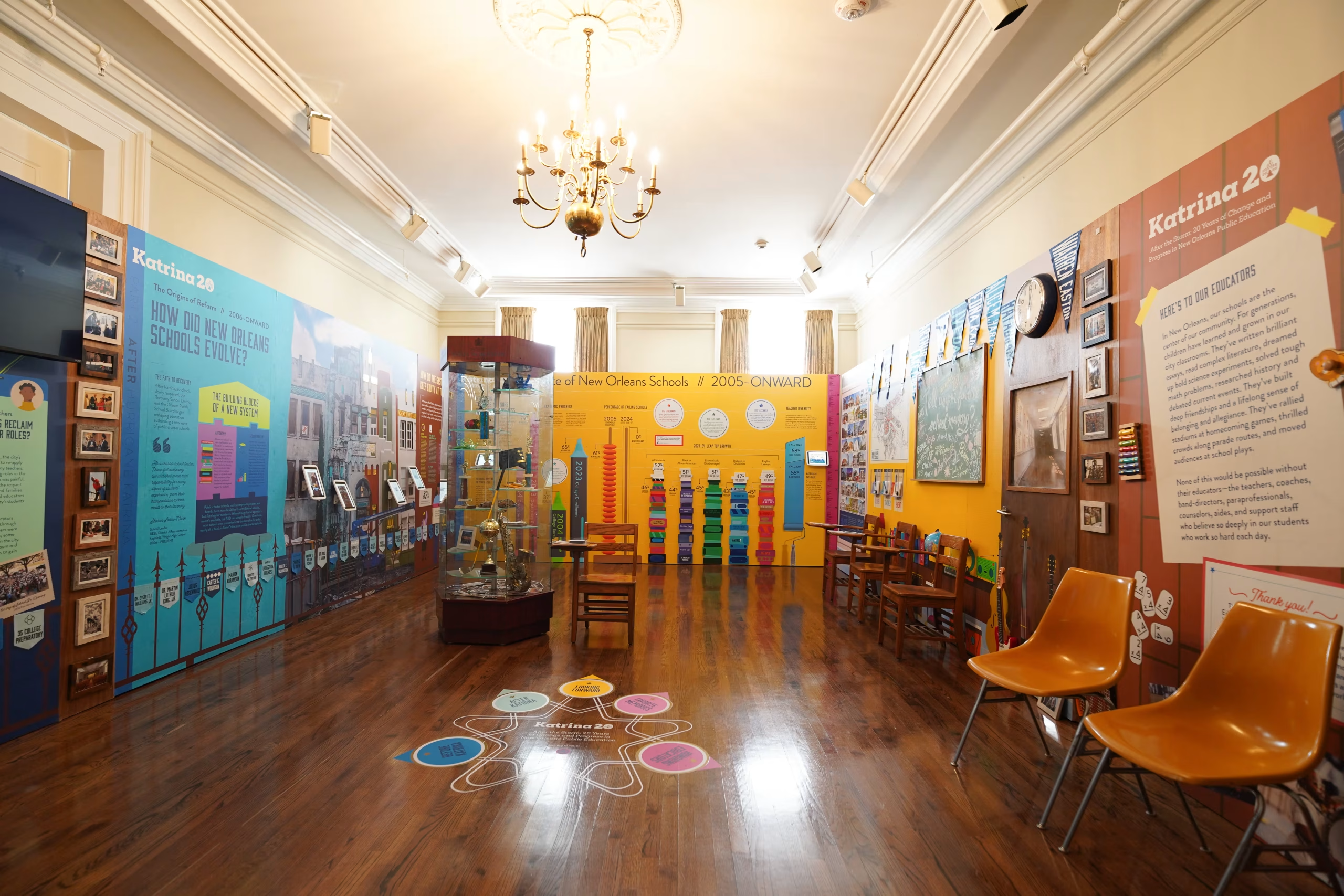
Supported by 100+ earned media placements and a private editorial roundtable hosted during ESSENCE Festival, the campaign combined immersive design, strategic media relations, and community engagement to elevate the story nationally. The result demonstrates a key 2026 marketing trend: brands that invest in experiential storytelling and real-world activation build deeper trust, stronger community connection, and long-term relevance.
The brands that will win in 2026
As AI continues to transform efficiency behind the scenes, the brands that stand out in 2026 will be those that master the art of being human.
They’ll invest in spaces where people can gather, connect, and feel a sense of belonging and they’ll understand that the strongest brand equity is built not through content alone, but through shared experience.
That’s not a trend we’re chasing.
It’s the work we’ve been doing all along.